

Hemp oil has become a popular natural option for those seeking gentle, plant-based ways to support their well-being. But what exactly is it, and how is it different from CBD oil?
Hemp oil (also called hemp seed oil) is made by cold-pressing the seeds of the hemp plant. Unlike CBD oil, which is extracted from the flowers and leaves and may contain cannabinoids like CBD or THC, hemp oil contains only trace amounts of these compounds. Its value lies in its impressive nutritional profile and versatility – from supporting heart and skin health to aiding digestion.
In this guide, we break down the potential benefits of hemp oil, how it works, and how to use it safely.
What is Hemp?
Hemp is a variety of the Cannabis sativa plant grown for industrial, nutritional and textile purposes rather than for a psychoactive effect. It is one of the oldest cultivated crops in the world, is usually ready to harvest in three to four months, and grows across a wide range of soils and climates with relatively little pesticide or irrigation compared with many conventional crops.
Hemp is not a separate species. Hemp and higher THC cannabis are the same plant, Cannabis sativa. What separates them is how much tetrahydrocannabinol (THC) the plant produces, and that dividing line is set by law rather than by botany. It differs from country to country, which is why international articles quote different numbers.
What is Hemp Seed Oil?
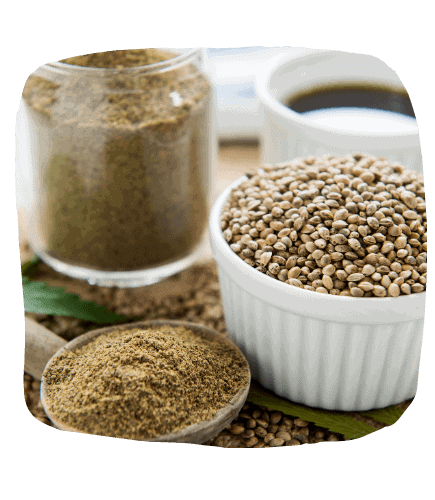
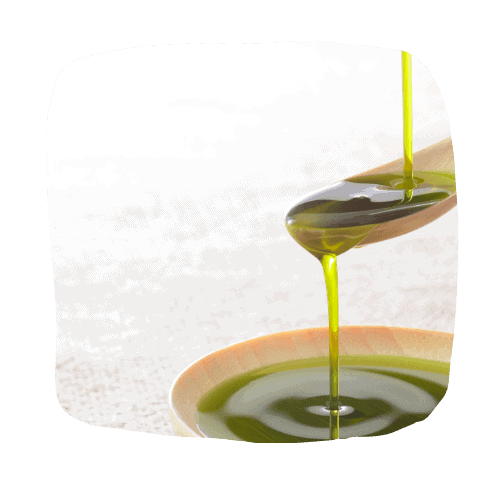
Hemp oil is extracted from hemp seeds and is known for its slightly nutty taste and greenish hue. It contains:
- 0% THC
- Negligible CBD
- High levels of essential fatty acids (Omega-3 and Omega-6)
- Vitamin E and other antioxidants
It’s often used in cooking, salad dressings, smoothies, skincare products, and topical treatments. While it doesn’t contain cannabinoids in meaningful quantities, its nutritional profile may support various aspects of health and wellness².
Cold-pressed hemp seed oil typically contains:
- Linoleic acid (omega-6) and alpha-linolenic acid (omega-3), usually in a ratio of around three to one.
- Gamma-linolenic acid (GLA), which is uncommon in plant oils.
- Vitamin E in the form of tocopherols, which act as antioxidants.
- Small amounts of plant sterols and carotenoids, which give the oil its green colour.
Whole and hulled hemp seeds also provide protein, fibre and minerals including magnesium, phosphorus and zinc. Most of the protein and fibre stays with the seed meal rather than the pressed oil, so hemp seeds and hemp seed oil are not nutritionally interchangeable. If you are after protein or fibre, the seeds are the better choice. If you are after the fatty acid profile, the oil is more concentrated.
How New Zealand Defines Hemp
In New Zealand, a hemp plant is any Cannabis sativa plant containing no more than one percent THC by dry weight. Hemp includes any part of the plant, including seeds harvested from it. A hemp product is any product made wholly or partly from the stalk or seed of the hemp plant, or any hemp seed food product.
This definition changed recently. On 28 May 2026 the Misuse of Drugs (Industrial Hemp) Regulations 2006 were revoked and replaced with permission-based regulations under the Misuse of Drugs Regulations 1977. Three things changed
- The THC threshold rose from generally below 0.35 percent to no more than one percent by dry weight.
- The industrial hemp licence was removed. Anyone intending to cultivate hemp now notifies New Zealand Police and the Ministry for Primary Industries instead, and each notification lasts one year.
- The list of approved hemp cultivars no longer exists. Any cannabis cultivar testing at one percent THC or less is hemp.
The one percent figure is specific to New Zealand. Many international guides quote 0.3 percent, which is the United States threshold, and 0.2 to 0.3 percent applies across much of Europe. If you are reading overseas advice about hemp, the legal detail will not apply here.
All Cannabis sativa plants and their seeds remain controlled drugs in New Zealand. Importing or exporting hemp plant material or whole hemp seed still requires a licence, and extraction from hemp plant material is not covered by the hemp regulations.
Key Benefits of Hemp Oil
1. Heart Health
Hemp oil contains:
- Omega-3 and Omega-6 fatty acids
- Arginine, an amino acid
- Gamma-linolenic acid (GLA)
These may help:
- Support healthy cholesterol levels
- Reduce inflammation
- Relax blood vessels
Animal studies have shown that hemp oil can reduce blood plasma triglycerides and markers associated with cardiovascular risk³.
2. Brain Function
Hemp oil is one of the best plant-based sources of omega-3s, which play a role in:
- Cognitive function
- Mood regulation
- Brain cell communication
This makes it especially valuable for vegetarians or those who don’t consume fish⁴.
3. Digestive Support
Due to its anti-inflammatory fatty acid content, hemp oil may help:
- Soothe digestive discomfort
- Support gut lining health
- Improve regularity
Studies suggest omega-3 fatty acids may reduce symptoms in conditions like inflammatory bowel disease⁵.
4. Skin Health
Applied topically or taken orally, hemp oil may help:
- Moisturise dry or irritated skin
- Soothe inflammation
- Support conditions like eczema, psoriasis, and acne
Its benefits may be due to:
- GLA and linoleic acid
- Vitamin E
- A balanced ratio of omega-6 to omega-3
Some studies suggest that hemp oil may improve symptoms of atopic dermatitis⁶⁻⁸.
5. Does hemp seed oil help with pain?
While not a painkiller, hemp oil may support those with chronic pain due to its anti-inflammatory compounds. Research has found that:
- GLA can inhibit inflammatory markers like NF-kappaB⁹
- Topical use may help with joint stiffness and skin irritation
- A combination of hemp oil and other natural oils reduced pain by over 50% in a recent clinical trial¹⁰
6. Nutritional Value
Hemp oil retains much of the nutritional value of the hemp seed, including:
- Proteins
- Fibre
- Linoleic and α-linolenic acid
- Gamma-linolenic acid
- Vitamins and minerals⁴
7. Is hemp seed oil good for joints
Hemp seed oil is sometimes used by people looking for natural ways to support joint comfort, mainly because of its rich fatty acid profile. While it does not act as a treatment for joint conditions, its blend of omega-3, omega-6, and gamma-linolenic acid (GLA) may support general inflammatory balance in the body.
Research has shown that GLA can influence inflammatory pathways such as NF-kappaB, which may help explain why some people find it useful alongside their usual routines⁹. Topical application may also offer a soothing effect for stiffness or dry, irritated skin around the joints, though results vary between individuals.
How to use Hemp Oil?
Topically:
Apply directly to skin for hydration or relief. Always patch test first:
- Apply to clean, dry skin
- Leave for 24 hours
- If no reaction occurs, it’s safe to use
Orally:
Start with 1–2 teaspoons daily in food or on its own. As with any supplement, check with your doctor before beginning.
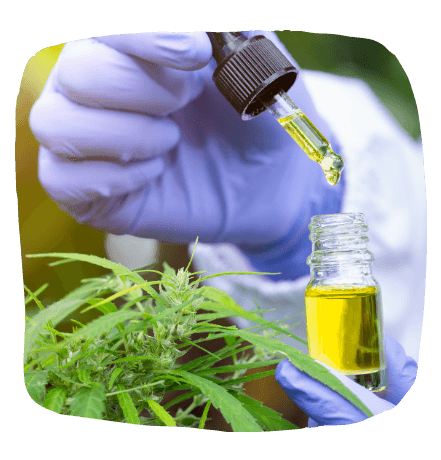
What Parts of the Hemp Plant Are Used?
Almost every part of the hemp plant has a use.
- Stalks provide fibre and hurd, used in textiles, rope, canvas, paper, insulation, bioplastics and hempcrete building material.
- Seeds are cold-pressed for hemp seed oil, hulled for food, or processed into protein powder and hemp milk.
- Leaves and flowers hold the highest concentration of cannabinoids and are the raw material for CBD and other cannabis extracts.
- Roots are not authorised for use under the New Zealand hemp regulations without a separate licence.
This matters because the part of the plant a product comes from determines how it is regulated. Hulled hemp seed and hemp seed oil are food, regulated under the Food Act 2014. Extracts from leaf and flower are medicines. The hemp seed oil on a supermarket shelf and the cannabis medicine prescribed by a doctor can come from the same plant and still sit under completely different rules.
What Is Hemp Used For?
Hemp is used across four broad categories
- Food and nutrition: hulled hemp seeds, hemp seed oil, hemp protein powder and hemp milk.
- Textiles and materials: clothing, rope, canvas, paper, insulation, hempcrete, bioplastics and automotive composites.
- Personal care: soaps, balms, moisturisers and haircare made with hemp seed oil.
- Cannabinoid products: CBD and other cannabinoid extracts made from leaf and flower, which in New Zealand are regulated as medicines and generally require a prescription.
Hemp is also studied for its environmental profile. It grows quickly enough to shade out weeds, which reduces the need for herbicides, and its root structure can help with soil condition and erosion.
Is Hemp the Same as Cannabis or Marijuana?
Hemp and marijuana are both Cannabis sativa. The difference is THC content, not species. In New Zealand hemp must contain no more than one percent THC by dry weight, while cannabis grown for a psychoactive effect can test considerably higher. Hemp does not produce a high.
We cover the plant differences, how to identify a hemp plant, and how New Zealand law treats each in our full guide to the difference between hemp and marijuana.
Hemp Seed Oil vs CBD Oil vs Hemp Extract
These three terms are sometimes used interchangeably, but they are not the same thing.
- Hemp seed oil is cold-pressed from hemp seeds. It contains fatty acids, vitamin E and only trace cannabinoids. In New Zealand it is sold as a food and cosmetic ingredient.
- CBD oil is extracted from hemp leaf and flower and contains cannabidiol in meaningful amounts. In New Zealand, CBD products supplied through a clinic require a prescription.
- Full spectrum or broad spectrum hemp extract also comes from leaf and flower and contains a wider range of cannabinoids and terpenes.
A practical rule: if a product is labelled hemp oil and sold in a supermarket or health store, it is almost certainly seed oil and will not have a cannabinoid effect. If you are looking for CBD, you need a prescription.
Are There Any Risks or Side Effects with Hemp Oil?
Hemp seed oil is generally well tolerated, but a few things are worth knowing.
- Digestive upset. Any oil taken in larger amounts can cause loose stools or stomach discomfort. Introduce it gradually.
- Skin reactions. Patch test before using it on your skin, particularly if your skin is sensitive or you have eczema.
- Allergy. Hemp seed allergy is uncommon but has been reported.
- Medicine interactions. Hemp seed oil is not the same as CBD, which has known interactions, but if you take blood thinners or blood pressure medicine, or you hold a medicinal cannabis prescription, check with your doctor first.
- Heat. Hemp seed oil has a low smoke point and its fatty acids break down when heated, so use it cold in dressings, smoothies and finishing rather than for frying.
This article is general information and is not medical advice. Speak to your doctor before starting any supplement, particularly if you are pregnant, breastfeeding, taking prescription medicine, or managing a health condition.
Frequently Asked Questions About Hemp Oil
No. Hemp oil comes from the seeds and contains little to no CBD. CBD oil is extracted from the flowers and leaves and contains therapeutic cannabinoids.
No. Hemp oil contains 0% THC and is completely non-intoxicating.
Most people tolerate it well, but it’s best to patch tests before regular use. Avoid if irritation occurs.
Final Thoughts
Hemp oil is a versatile and nutrient-rich plant oil with a wide range of potential benefits. From improving skin health and supporting digestion to reducing inflammation and promoting heart health, it’s an accessible wellness tool with minimal side effects.
However, it’s important to choose a high-quality product and speak with a healthcare provider before using it regularly, especially if you’re managing a medical condition or taking other medications.
Want to know if hemp or CBD oil is right for you?
Book a consultation with a doctor or nurse at Cannabis Clinic today.
References
- Rehman, M. et al. (2021). Evaluation of hemp (Cannabis sativa L.) as an industrial crop: a review. Environmental Science and Pollution Research, 28(38), 52832–52843.
- Cerino, P. et al. (2021). A review of hemp as food and nutritional supplement. Cannabis and Cannabinoid Research, 6(1), 19–27.
- Majewski, M., & Jurgoński, A. (2021). The Effect of Hemp Seeds and Hemp Seed Oil on Vascular Dysfunction in Obese Male Zucker Rats. Nutrients, 13(8), 2575.
- Farinon, B. et al. (2020). The seed of industrial hemp (Cannabis sativa L.): Nutritional quality and potential functionality for human health and nutrition. Nutrients, 12(7), 1935.
- Marton, L. T. et al. (2019). Omega fatty acids and inflammatory bowel diseases: an overview. International Journal of Molecular Sciences, 20(19), 4851.
- Rustad, A. M. et al. (2022). The role of diet modification in atopic dermatitis: navigating the complexity. American Journal of Clinical Dermatology, 23(1), 27–36.
- Reynolds, K. A. et al. (2019). The role of oral vitamins and supplements in the management of atopic dermatitis: a systematic review. International Journal of Dermatology, 58(12), 1371–1376.
- Maghfour, J. et al. (2021). Tolerability of topical CBD and PEA formulations. Clinical and Experimental Dermatology, 46(8), 1518–1529.
- Chang, C. S. et al. (2010). Gamma-linolenic acid inhibits inflammatory responses by regulating NF-kappaB and AP-1 activation. Inflammation, 33(1), 46–57.
- Carlisle, C. et al. (2023). Alleviation of Pain, Pain Interference, and Oxidative Stress by a Novel Combination of Hemp Oil, Calamari Oil, and Broccoli. Nutrients, 15(12), 2654.
Disclaimer: Medicinal cannabis and CBD oil are unapproved medicines in NZ which means that there is no conclusive evidence for their effect, apart from Sativex. Many doctors do not routinely prescribe cannabis medicines. The above article was written for general educational purposes and does not intend to suggest that medicinal cannabis can be used to treat any health condition. Please consult with your healthcare provider.